



Request a quote or datasheet
Our engineers can help with product selection and application guidance.
Browse electromagnetic and Coriolis flow meters for water, chemical, food and industrial duties. Use the filters to narrow by technology, line size and output — then review specifications and request a quote from the product page. Not sure which fits? Send us the application and we will shortlist for you.
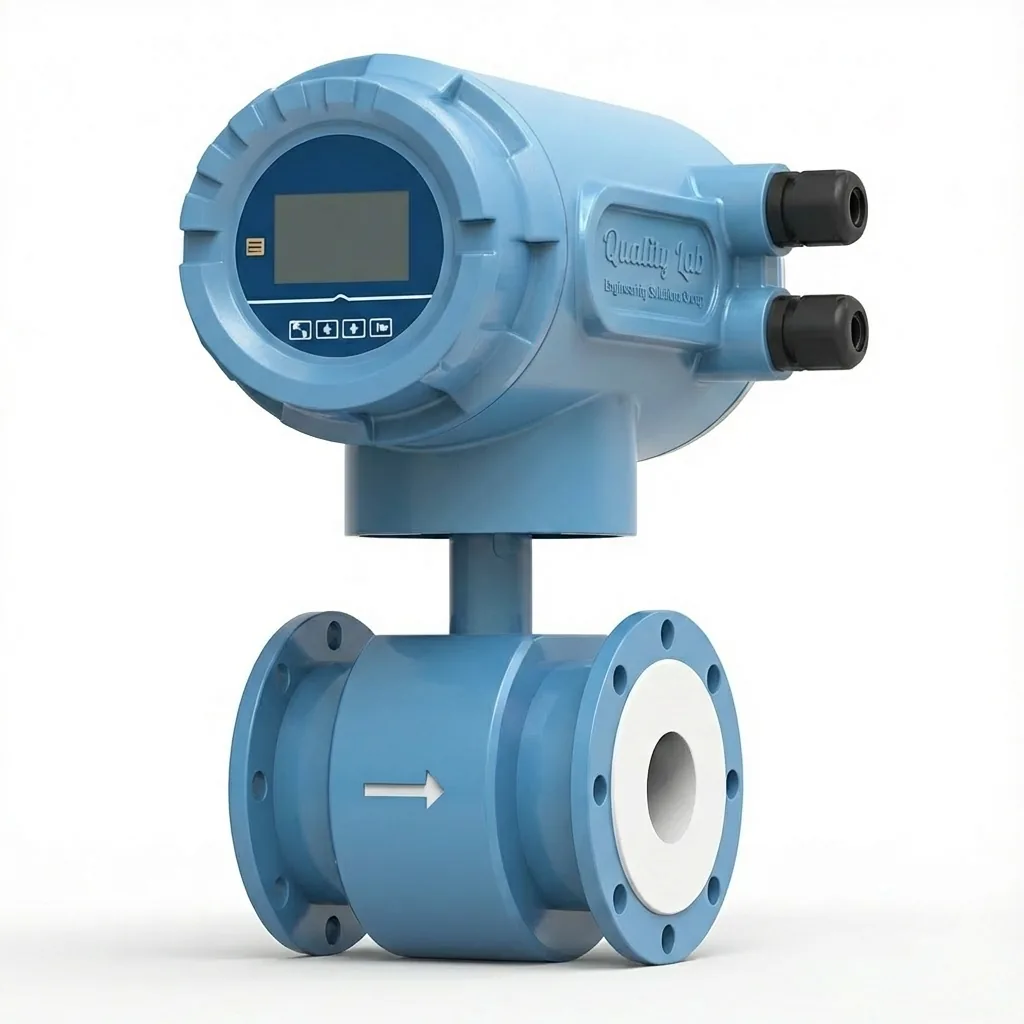
For water and wastewater flow in conductive liquids
Range: 0.05…50 700 m³/h
Accuracy: ±0.2 % of reading
Electromagnetic Flow
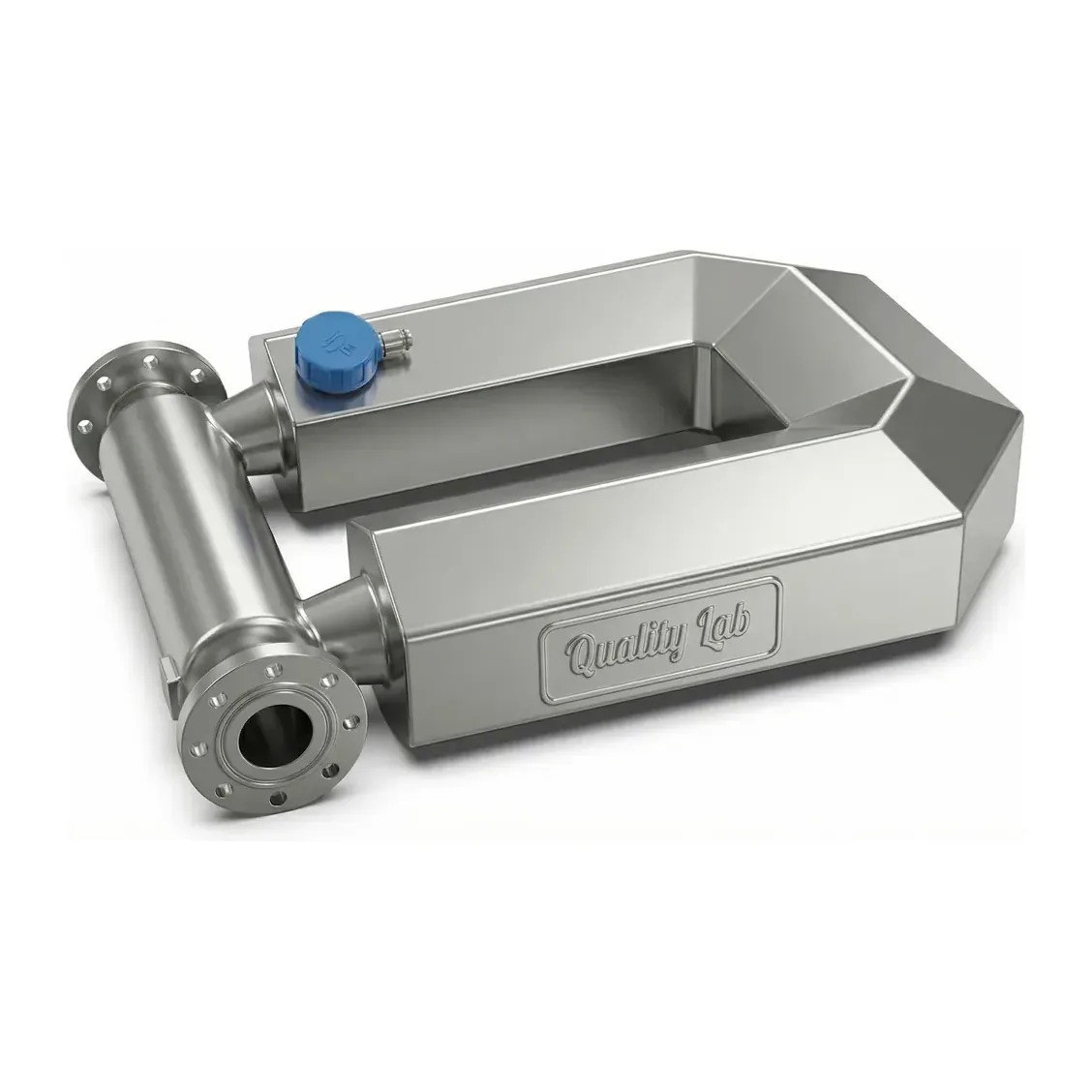
For large-line bulk transfer and batching
Range: 0…180,000 kg/h mass flow
Accuracy: ±0.1 % of reading (best grade)
Coriolis Mass Flow
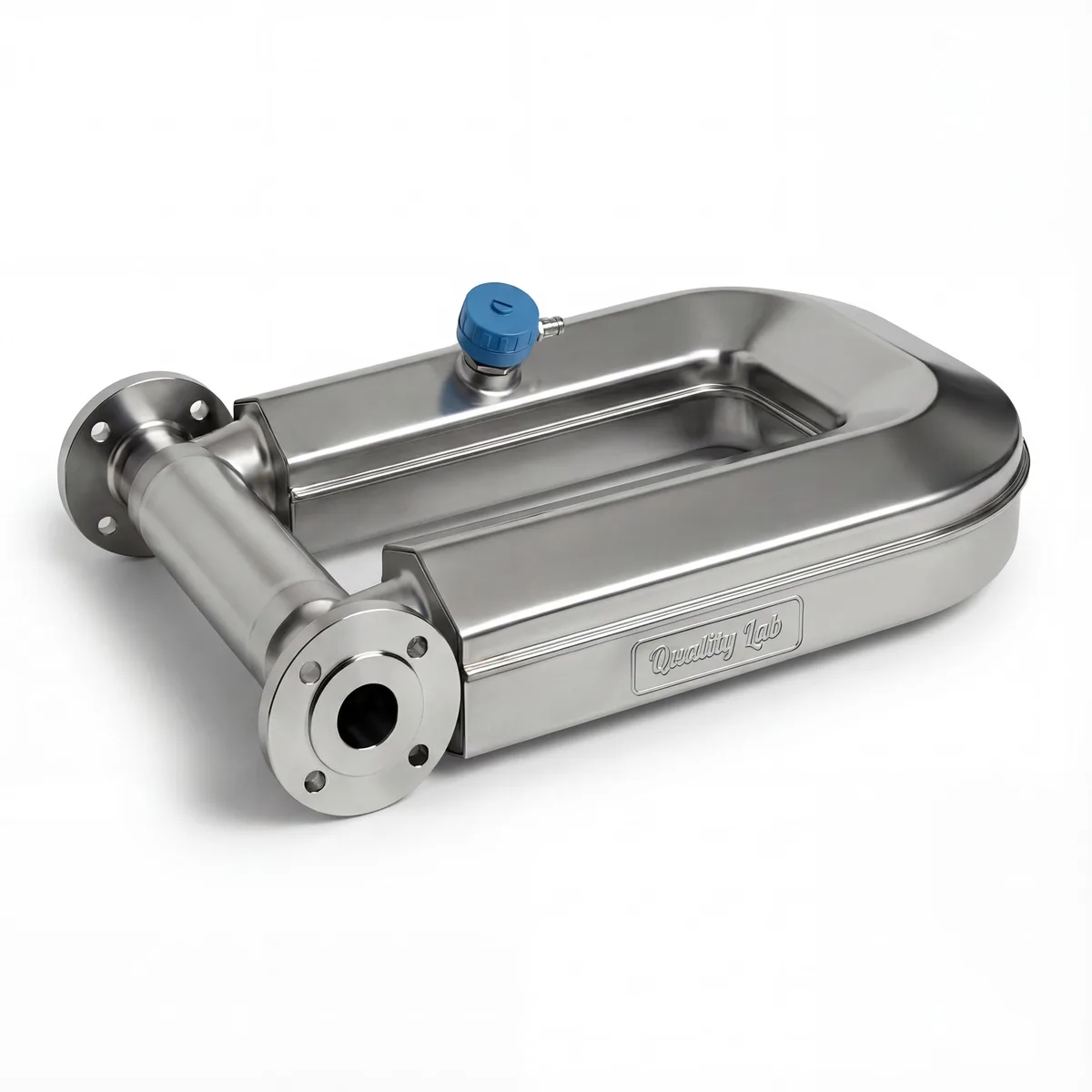
For high-capacity transfer and batching lines
Range: 0…60000 kg/h mass flow
Accuracy: ±0.1 % of reading (best grade)
Coriolis Mass Flow
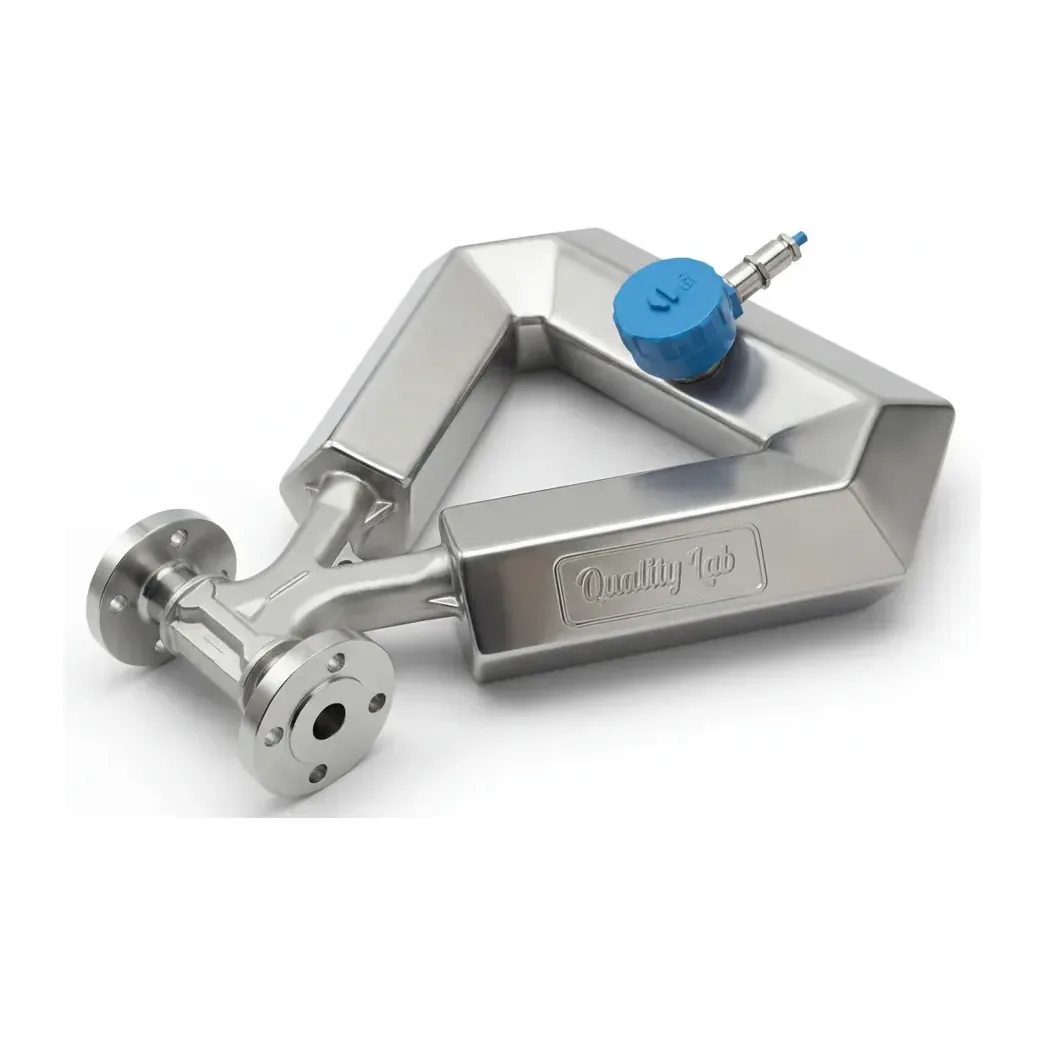
For mid-flow transfer and batching on skids
Range: 0…30000 kg/h mass flow
Accuracy: ±0.1 % of reading (best grade)
Coriolis Mass Flow
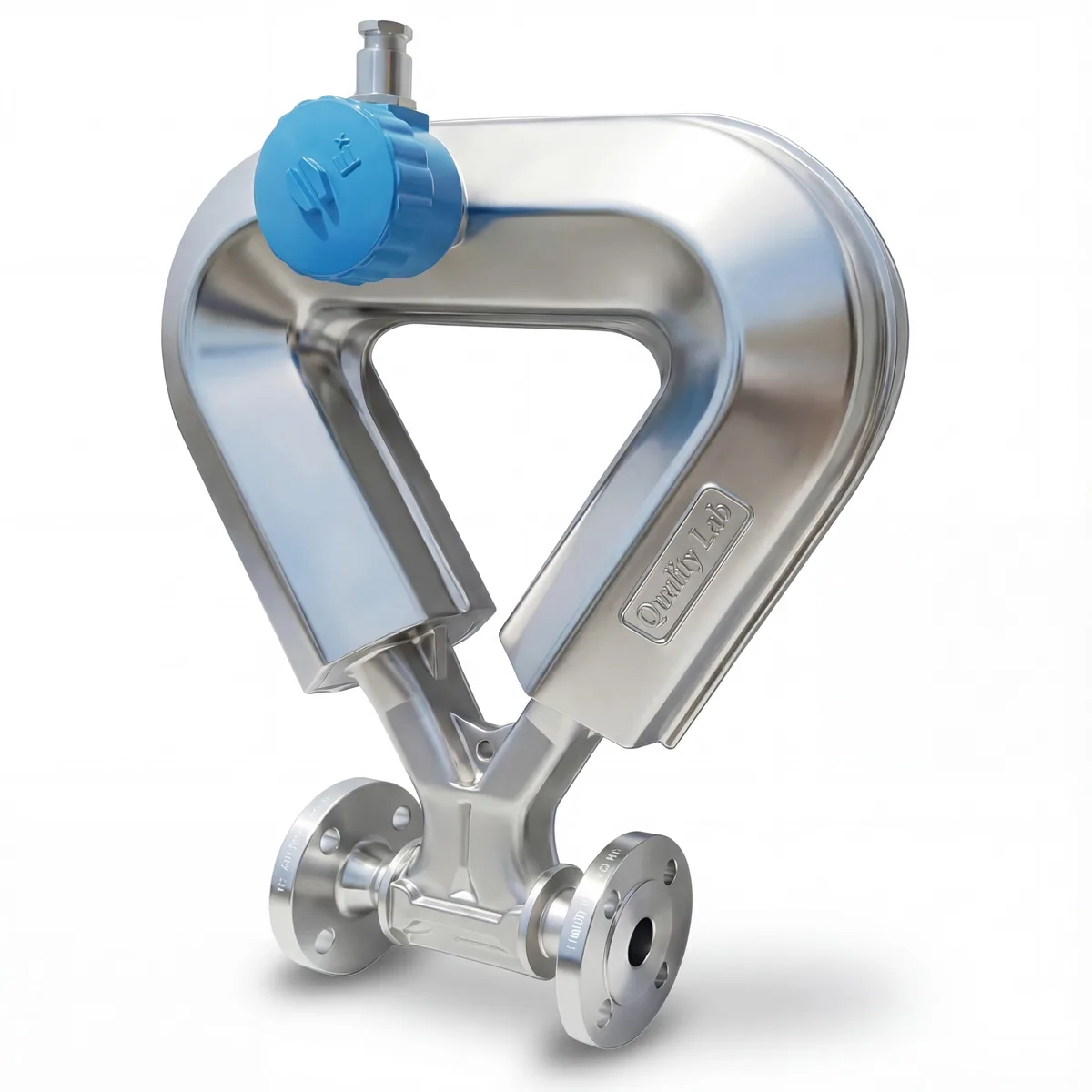
For mid-flow dosing, batching and material balance
Range: 0…12000 kg/h mass flow
Accuracy: ±0.1…±0.5 % of reading (best grade)
Coriolis Mass Flow
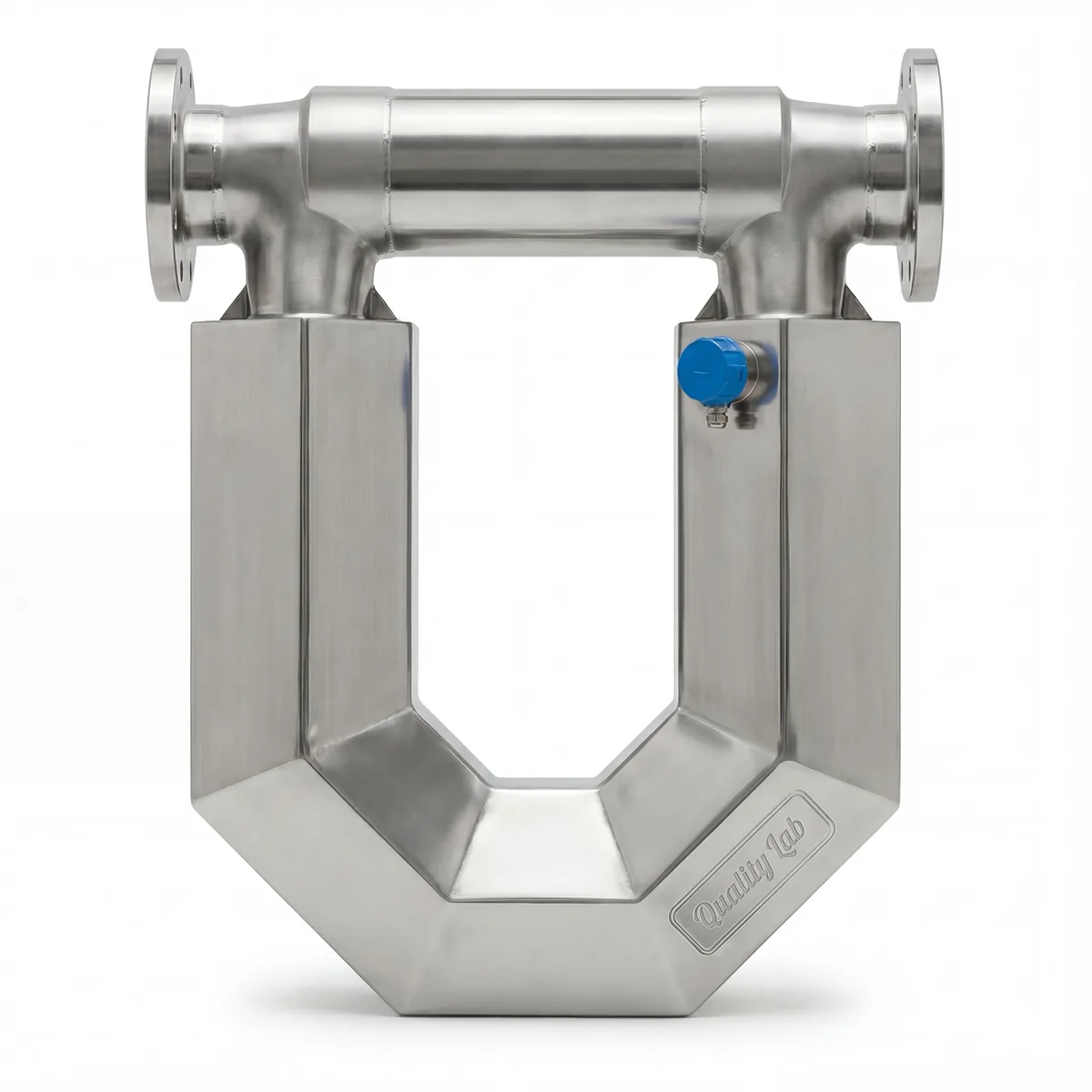
For maximum-capacity bulk liquid transfer
Range: Max mass flow 480,000 kg/h
Accuracy: ±0.1 % of reading (best grade)
Coriolis Mass Flow
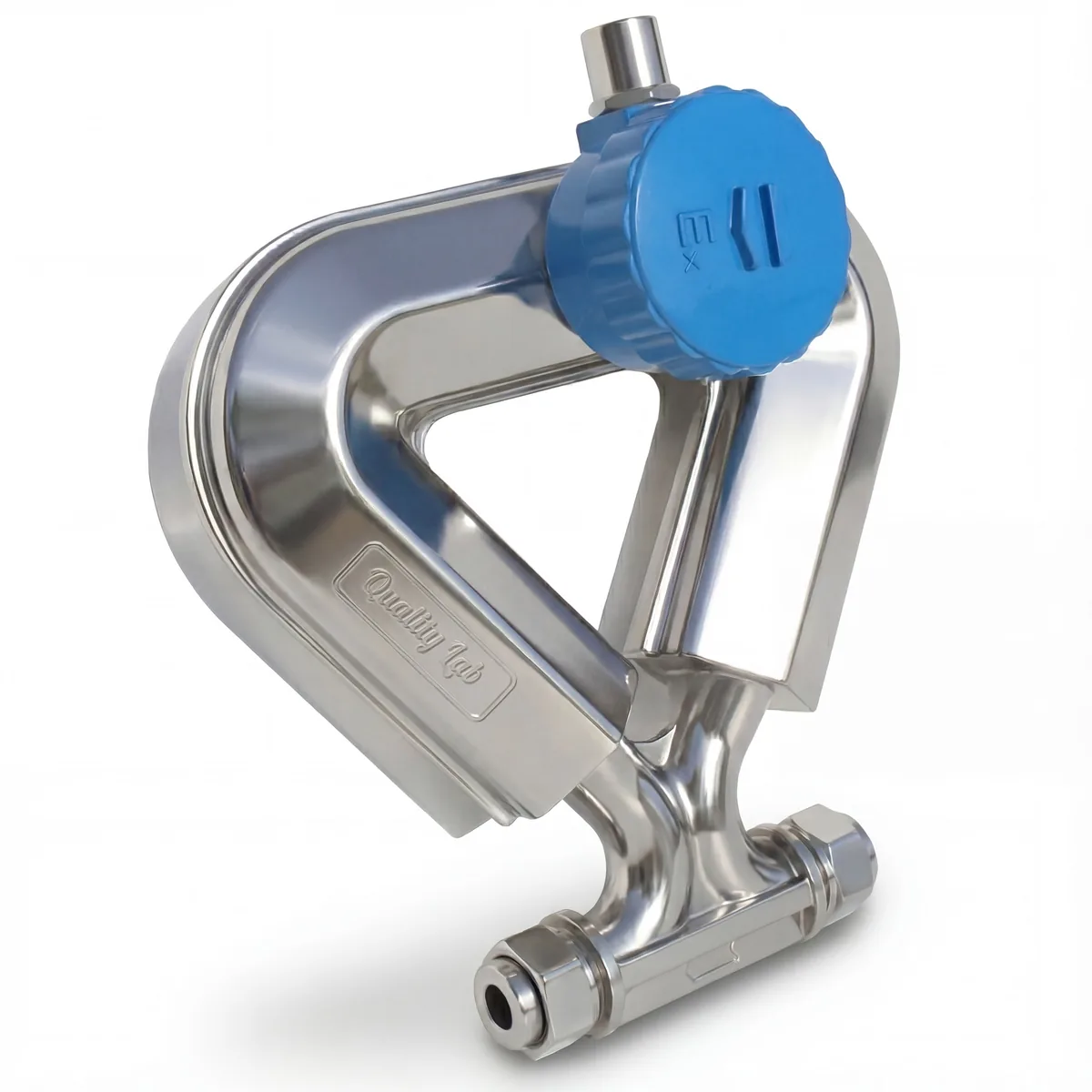
For general-purpose process dosing lines
Range: 0…3000 kg/h mass flow
Accuracy: ±0.1…±0.5 % of reading (best grade)
Coriolis Mass Flow
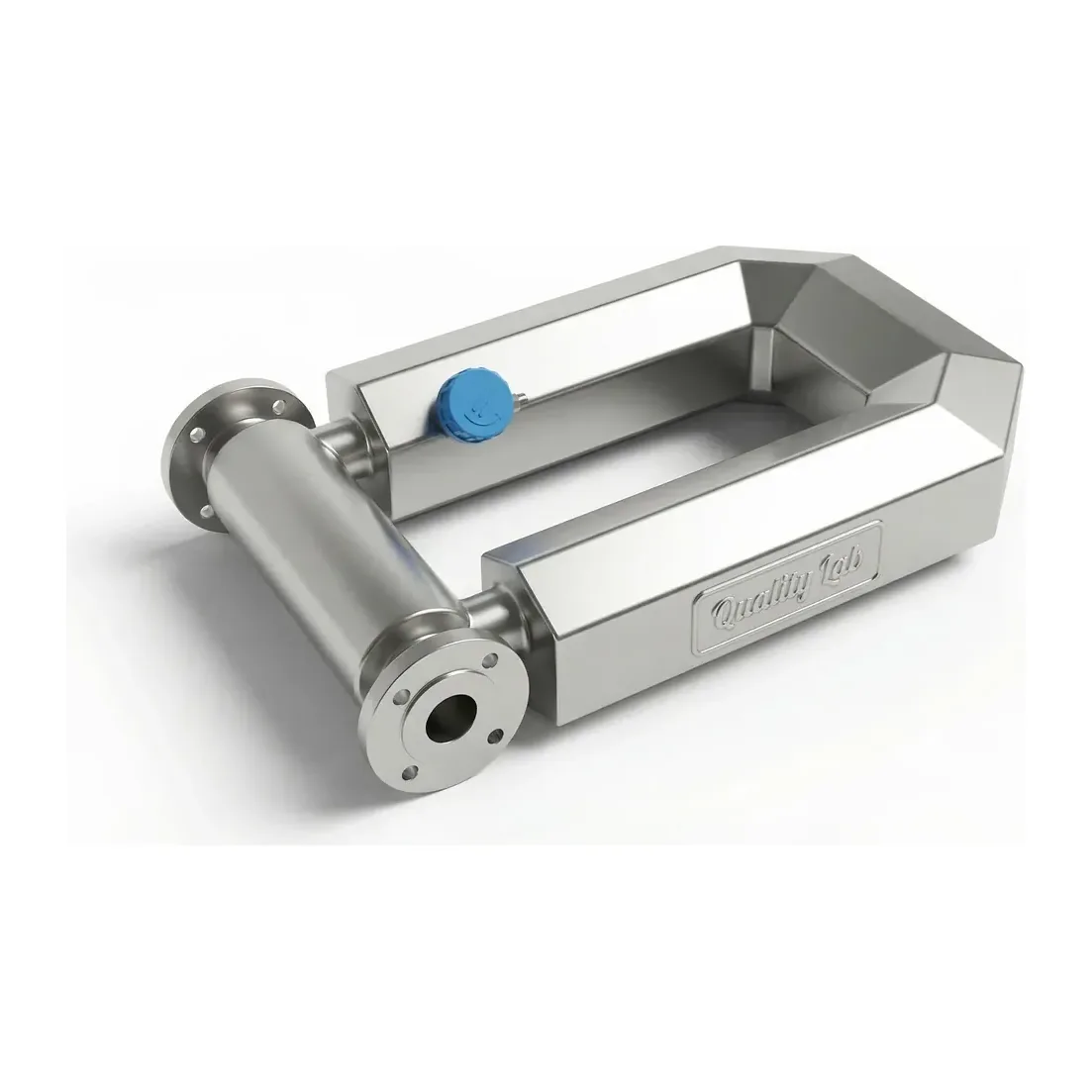
For very high-capacity bulk process lines
Range: 0…260,000 kg/h mass flow
Accuracy: ±0.1 % of reading (best grade)
Coriolis Mass Flow
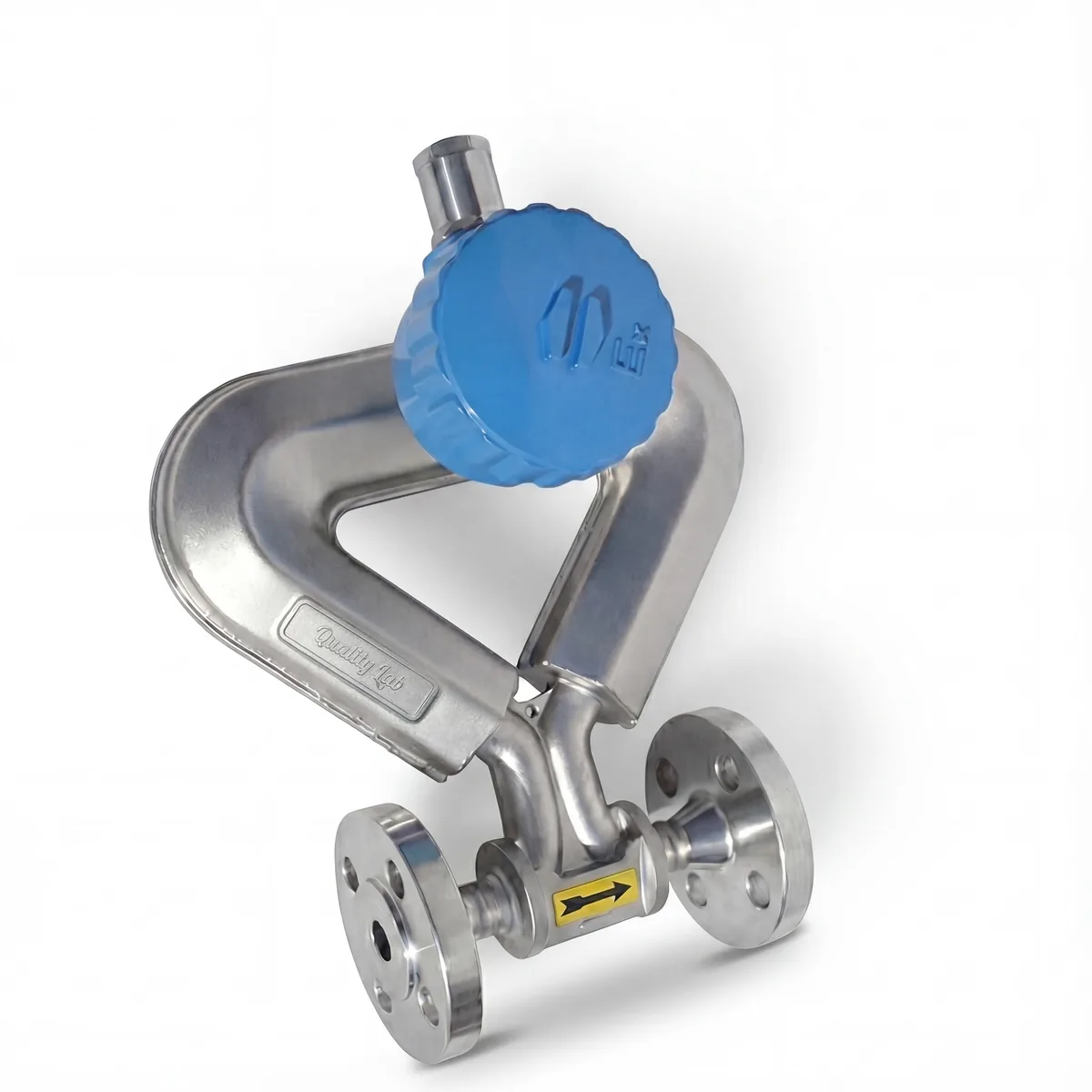
For dosing and injection on small process lines
Range: 0…1200 kg/h mass flow
Accuracy: ±0.1…±0.5 % of reading (best grade)
Coriolis Mass Flow
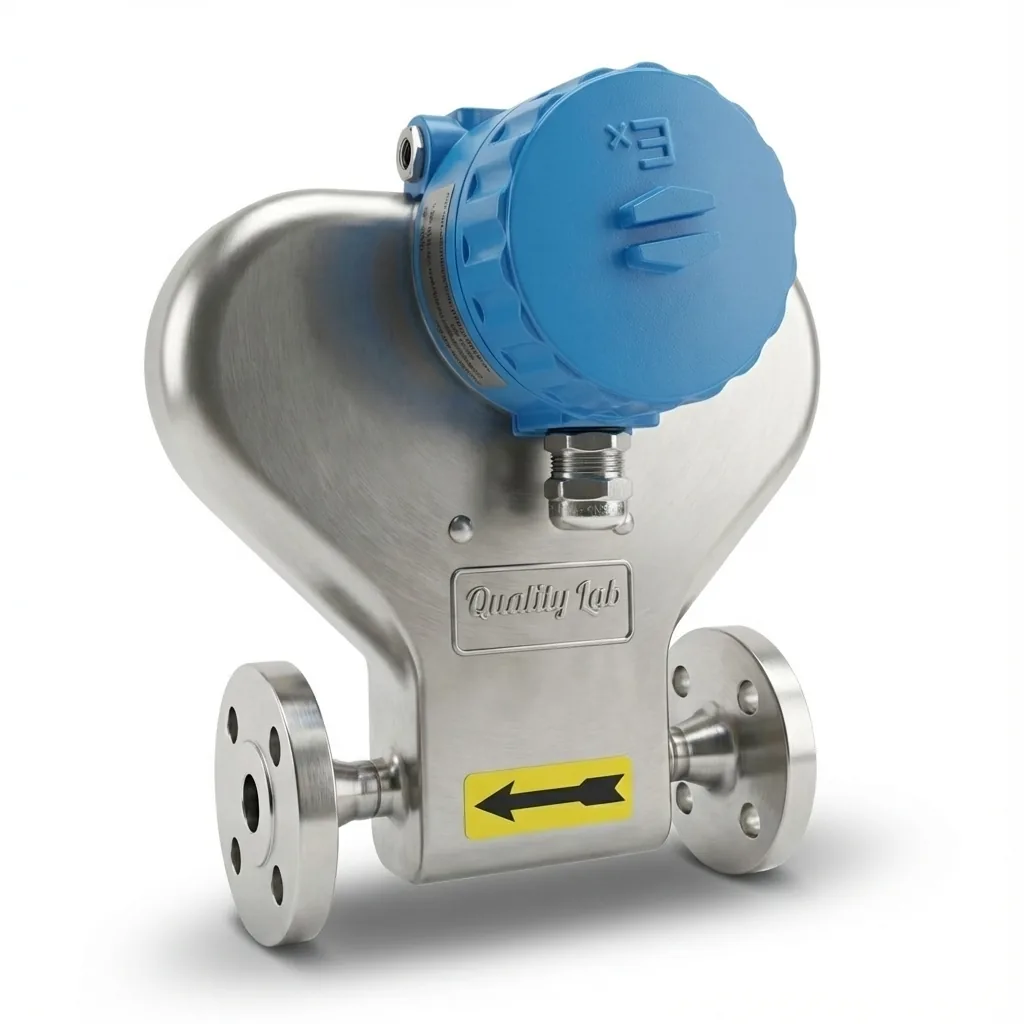
For precision low-flow dosing and sampling
Range: 0…360 kg/h mass flow
Accuracy: ±0.1…±0.5 % of reading (best grade)
Coriolis Mass Flow
From millibar-level duties to 5,000 bar, across gauge, absolute and sealed-gauge references — every product above carries its datasheet on the page. If you know your spec, filter and go. If you don't, that is what we are for.
The words get used loosely. Broadly: a transducer gives a simple voltage or millivolt signal suited to OEM builds and test systems; a transmitter conditions that signal into 4-20 mA or a digital protocol for control loops and long cable runs. Our guides explain the distinction and the reference question — gauge, absolute or sealed — in full.
Every product above carries its datasheet — these are the jobs the range is built for.
Answer any of these, or none — unknowns are our job.
Machine builders run on schedules, not stock rooms.
We hold agreed buffer stock against blanket orders so you can call off transducers in the quantities your line needs, with next-day delivery on call-off orders, UK and EU shipping, and samples for development builds. First orders are proforma, moving to 30-day terms for regular customers. One working day to a quotation, ISO 9001:2015 certified throughout.
Quick answers from our engineering team.
Transducers give a simple voltage or millivolt signal for OEM builds and test systems; transmitters condition the signal to 4–20 mA or digital protocols for control loops and long cable runs. If you are unsure, send the application and we will shortlist.
From millibar-level duties to 5,000 bar, across gauge, absolute and sealed-gauge references. Filter by range, or send your working pressure and we will size the span with overpressure headroom.
Yes — hygienic transmitters with flush process connections for food, beverage and pharmaceutical duties, and ATEX-rated instruments for hazardous areas. Use the approvals and connection filters to narrow the range.
Bent-tube Coriolis sizes span 360 kg/h at DN3 up to 480,000 kg/h at DN150, reading mass flow, density and temperature from one meter; the electromagnetic range covers 0.05 to 50,700 m³/h for conductive liquids. Every product above carries its datasheet on the page — filter and go, or send us the duty.
Every product above carries its datasheet — these are the jobs the range is built for.
Answer any of these, or none — unknowns are our job.
Machine builders and process plants run on schedules, not stock rooms.
We specify and supply flow meters from Manchester with UK and EU shipping, engineer-reviewed quotations within one working day, and agreed call-off orders with next-day delivery for repeat OEM and skid-build quantities. Every quotation is datasheet-backed and ISO 9001:2015 certified throughout.
Quick answers from our engineering team.
Coriolis meters measure mass flow of almost any fluid and also read density and temperature; electromagnetic meters measure volumetric flow of conductive liquids economically at larger line sizes. Send the media and duty and we will recommend.
QMASS Coriolis sizes cover duties from 360 kg/h (DN3) up to 480,000 kg/h (DN150), and the QMAG electromagnetic range spans 0.05 to 50,700 m³/h.
4–20 mA, HART and Modbus RTU / RS485 across the range — suitable for analogue control loops and digital plant networks alike.
Point-level measurement answers one question reliably: has the liquid reached this level? Every float switch above carries its datasheet on the page — filter and go, or send us the duty.
A float switch gives a hard contact at a fixed set point — no calibration, no power-dependent electronics at the sensing point — for high and low alarms and pump start/stop control. If your application needs a continuous reading instead of a switch point, that is a different technology; our guide explains the distinction in full.
Answer any of these, or none — unknowns are our job.
If your application needs a continuous level reading — tank contents, inventory, control loops — rather than a switch point, send us the application anyway: media, vessel and range. Quote-first means the enquiry, not the catalogue page, is the starting point.
We specify and supply from Manchester with UK and EU shipping.
Engineer-reviewed quotations within one working day, and agreed call-off orders with next-day delivery for repeat quantities. Every quotation is datasheet-backed and ISO 9001:2015 certified throughout.
Quick answers from our engineering team.
Our level range centres on magnetic float switches for point-level detection — dependable high and low alarms and pump start/stop control.
When you need a simple, reliable switch at a fixed level rather than continuous measurement — the reed output wires directly into alarms and control circuits.
Send us the application — if a catalogue unit does not fit, we will specify and quote a suitable instrument through the same enquiry route.
Our engineers can help with product selection and application guidance.